RELAY REPORT: IDAHO (BELLEVUE) JUNE 1ST, 2026
There’s no easy recipe for community. Not if you really mean it. Not if you’re trying to build a space that brings together people from multiple countries who speak multiple languages. Not when your goal is to both help people be fed and to feel at home. Not when you live in a place where there are plenty of jobs, but not ones that match a rising cost of living.
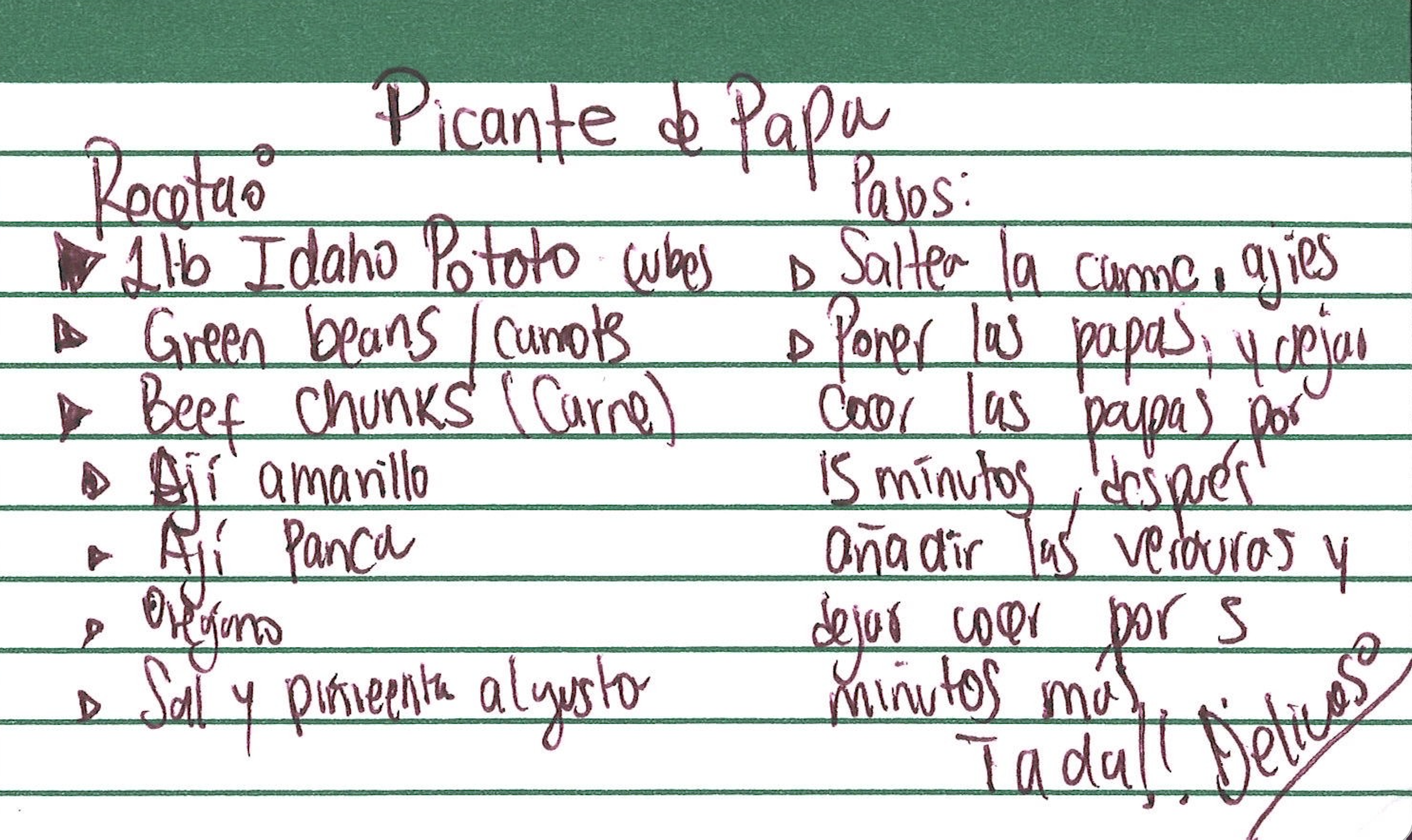
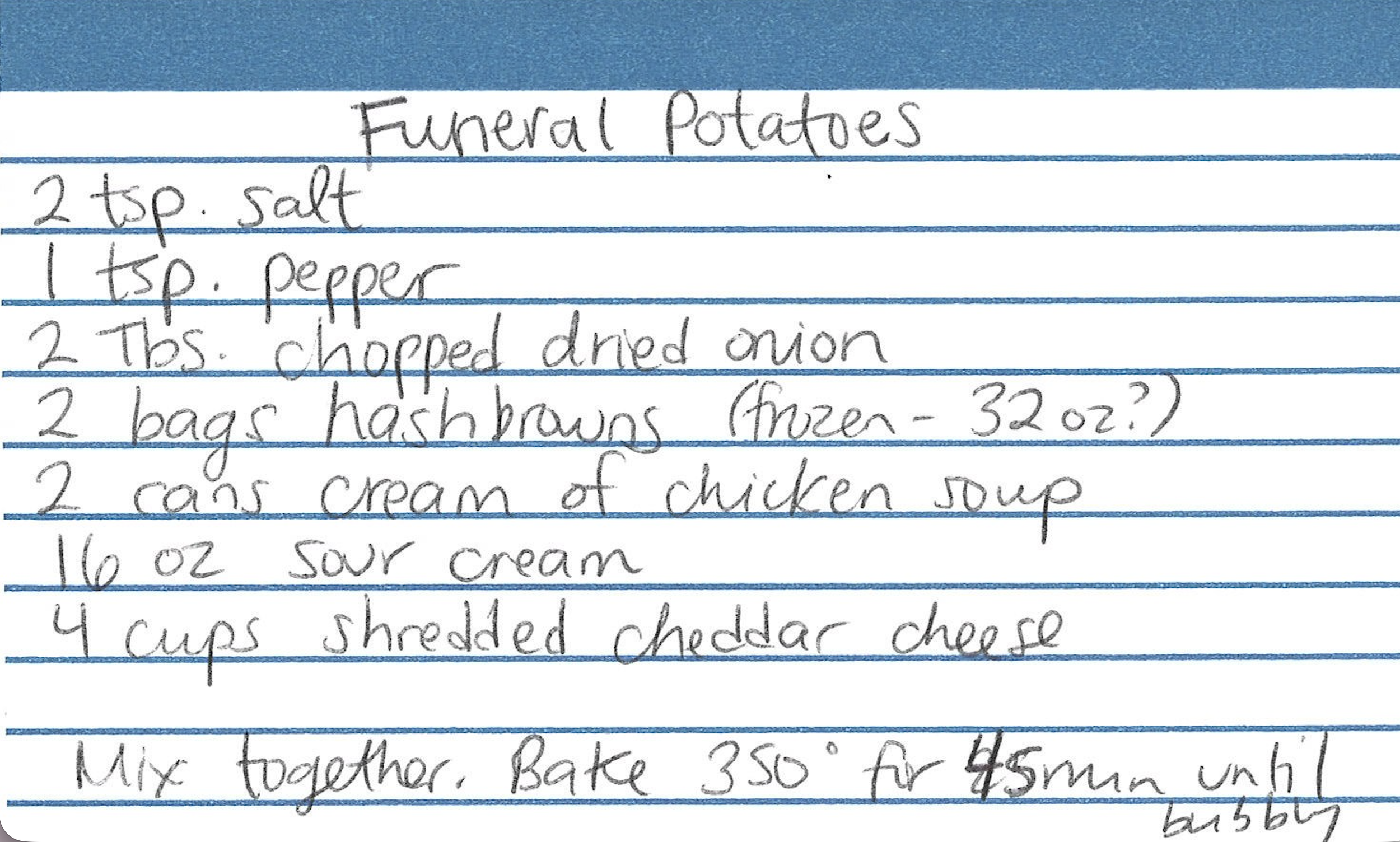
But maybe recipes can help. Potato recipes, to be exact. Written on classic recipe cards. Some of them for classic Idaho dishes like funeral potatoes. Others for Peruvian delicacies like picante de papa. And while that sounds like a cliché, “Oh, of course they talked about potatoes in Idaho,” that choice was anything but. Because when you’re talking about community, you’re talking about how to welcome people into a shared space while valuing the paths that people took to get there— the places they came from, the stories that have meaning to them, and the food that sustained them.
Here’s how event organizer Amanda Moulton put it, in her speech welcoming her neighbors on a gorgeous June evening.
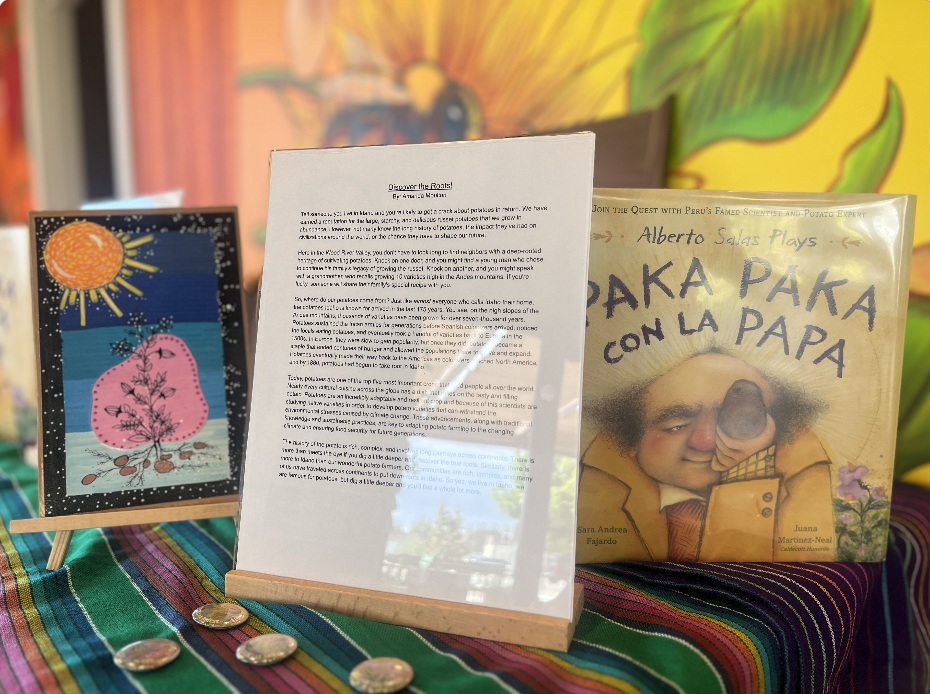
Here in the Wood River Valley, you don't have to look long to find neighbors with a deep-rooted heritage of cultivating potatoes. Knock on one door, and you might find a young man who chose to continue his family's legacy of growing the russet. Knock on another, and you might speak with a grandmother, who recalls growing 10 varieties high in the Andes mountains. If you're lucky, someone will share their family's special recipe with you.
So, where do our potatoes come from? Just like almost everyone who calls Idaho their home, the potatoes Idaho is known for arrived in the last 175 years. You see, on the high slopes of the Andes mountains, thousands of varieties have been grown for over seven-thousand years.
Potatoes sustained the Incan armies for generations before Spanish colonizers arrived, noticed the locals eating potatoes, and eventually took a handful of varieties back to Europe in the 1500s. In Europe, they were slow to gain popularity, but once they did, potatoes became a staple that ended centuries of hunger and allowed the populations there to thrive and expand. Potatoes eventually made their way back to the Americas as colonizers reached North America, and by 1860, potatoes had begun to take root in Idaho.
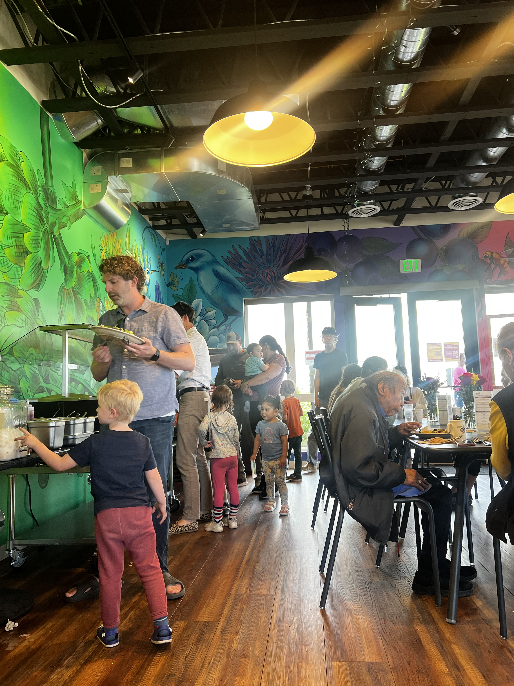
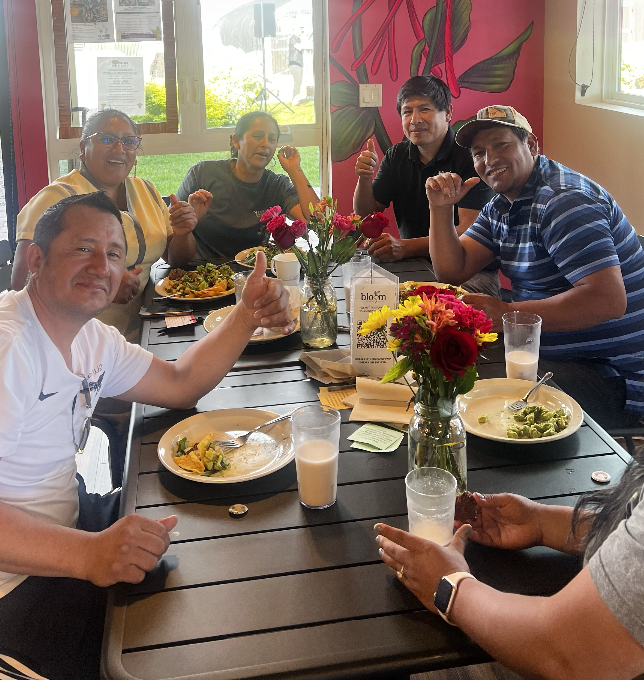
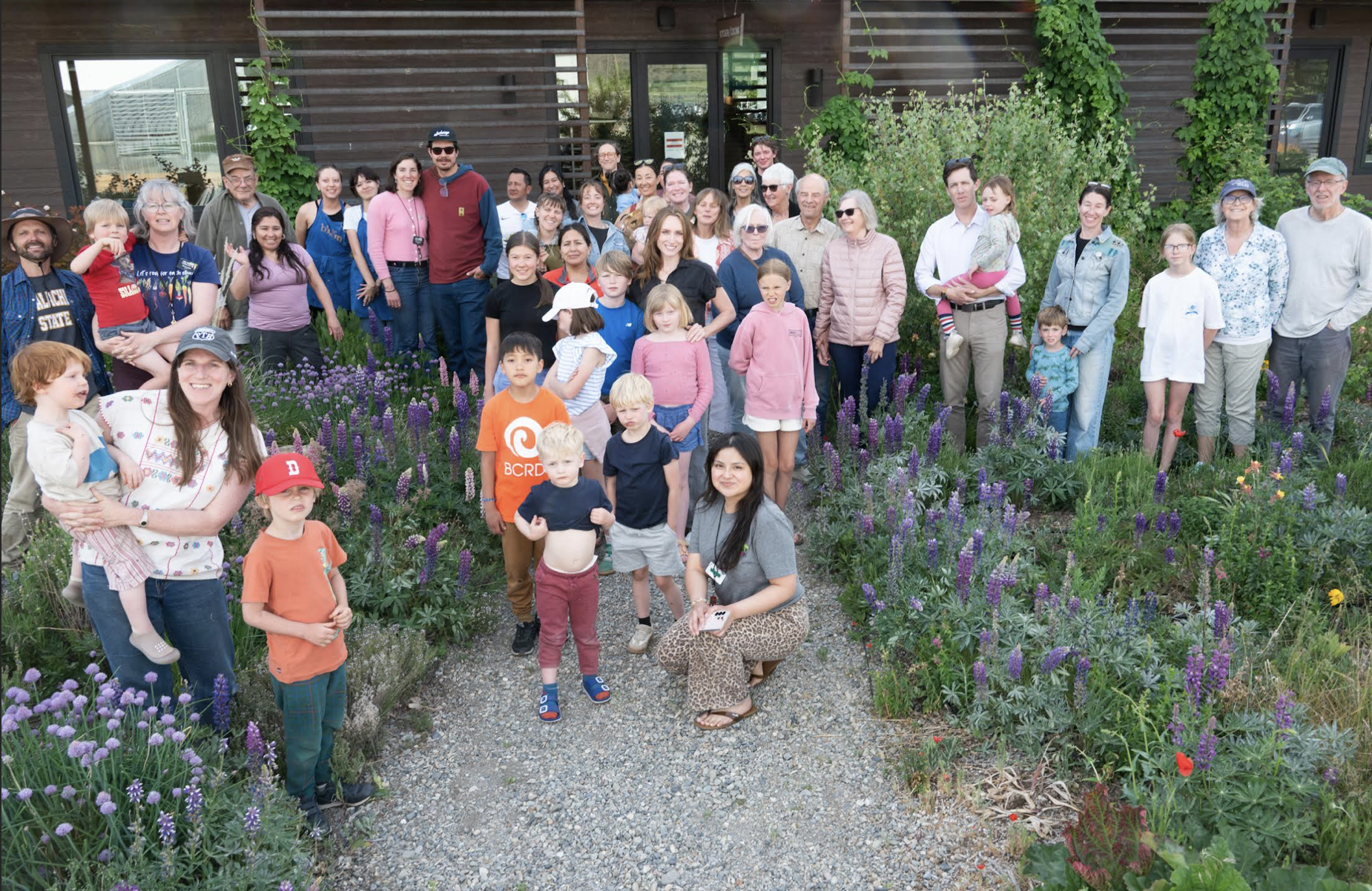
Community is about many roads leading to one destination. And on Monday, June 1st, 2026, 140 Bellevue neighbors gathered together at The Hunger Coalition, a local community food center. First came the cooks, who arrived a couple of hours before the first guests to prepare taco salad. The greens for the salad came from both the Coalition’s own greenhouse and a local hydroponic farm. It was then topped with black beans and corn, avocado and cherry tomatoes, green onions, cilantro, a jalapeno buttermilk ranch dressing, and, of course, roasted local Huckleberry Gold potatoes.
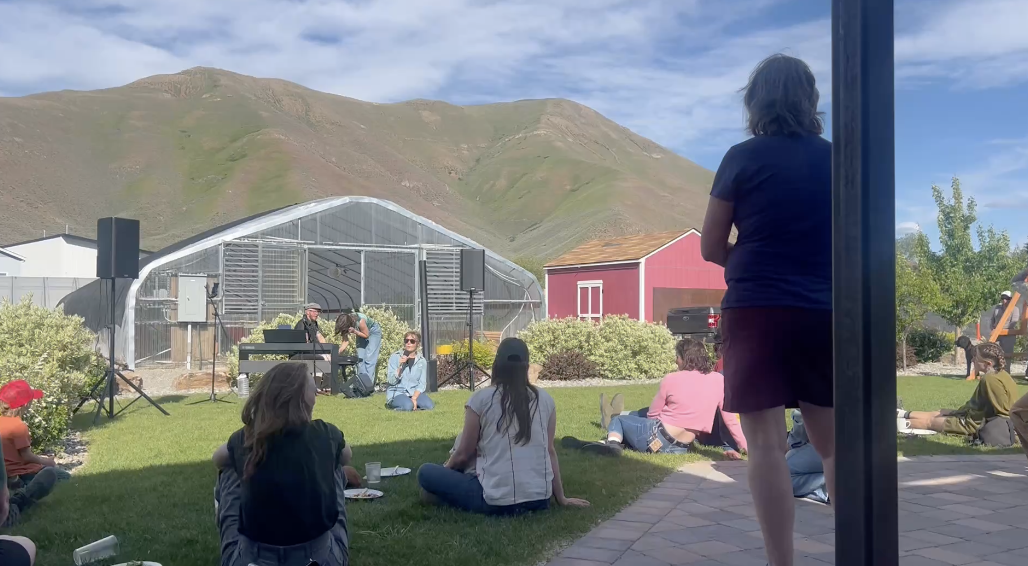
By 4:00, the first round of guests started to arrive, with the crowd growing over the next few hours. By 5:00, a group of local musicians, the Arkentones, started setting up, ably surviving some initial AV challenges. The crowd filtered out between inside and outside space, enjoying conversations in English and Spanish. On each table were three discussion prompts:
1. What are three characteristics of a healthy community that support its ability to remain strong and connected amidst an increasingly divisive political climate?
2. What are the gifts that you already offer to your community that you might celebrate and recommit to? What ways do you show up as a community member now? How might this gift be needed across communities different from our own?
3. What do you need from your community to bolster a sense of belonging? How can your community support you?
Later in the evening, the group joined together in song, led by the organizer of a beloved community singing group. Emily, the song leader, is believer in singing as an act that everybody can and should do, together. It was only fitting, then, that the group sang a simple song written by the Peace Poets for the recent immigration protests in Minneapolis.
No estan solos
No estan solas
Juntos hacemos la liberación.
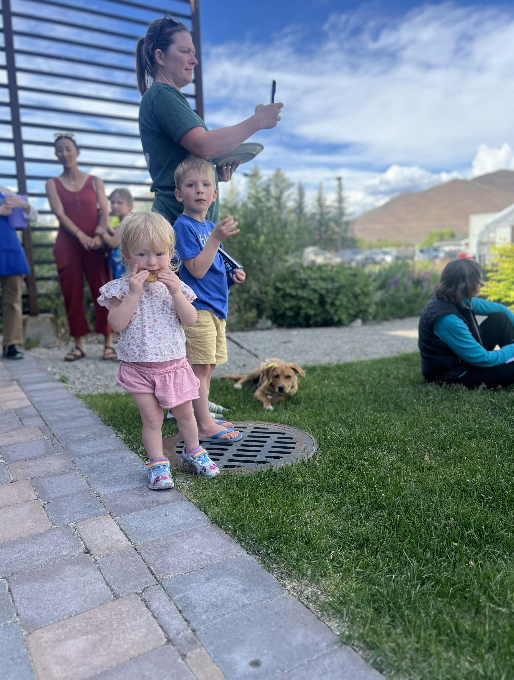
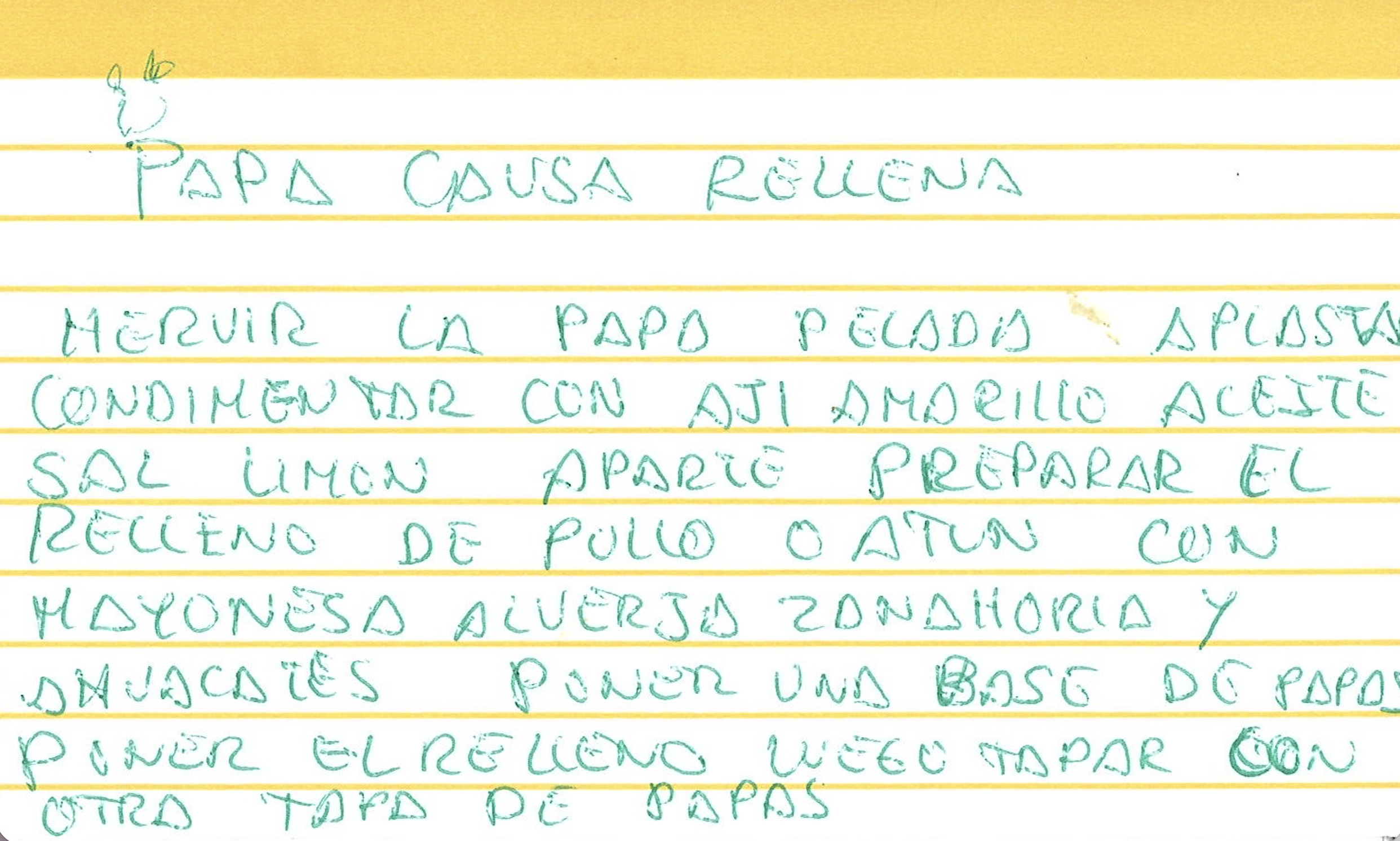
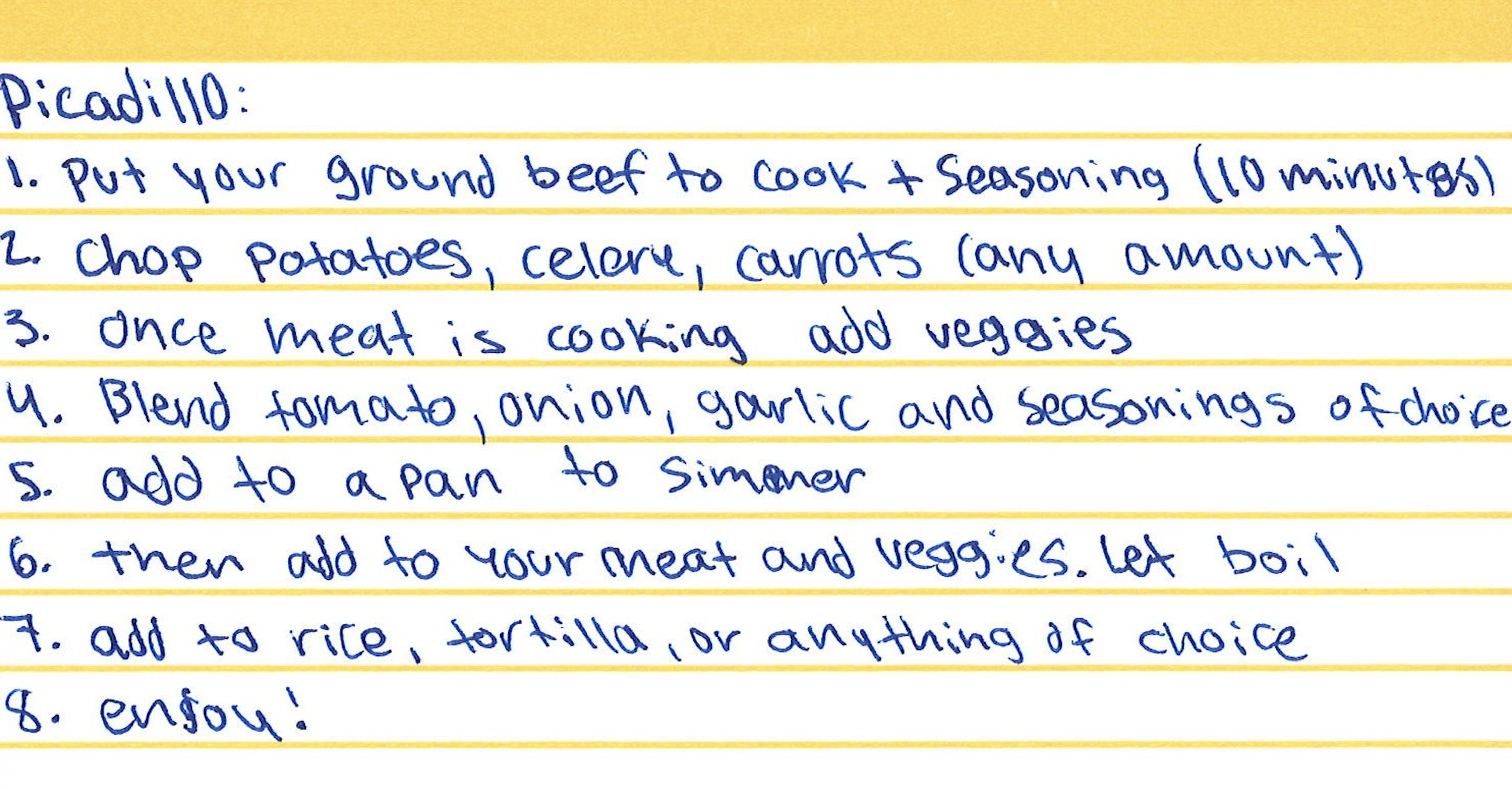
As the night went on, neighbors streamed in and out of the space, Some lingered to talk, or listen to the music, or admire a display that included the group’s box offerings and also a picture book about Peruvian potato scientists, Alberto Salas Plays Paka Paka con la Papa by Sara Andrea Fajardo. A crowd of over 15 kids jumped and shrieked on an outdoor play structure. As the night went on, more and more of them also took a moment, grabbed a pen, and added their recipe to the growing collection of cards.
Potato tacos
Papas con chorizo
Papa causa rellena
Perfect potato soup
Picadillo
WHAT COMMITMENTS/DECLARATIONS CAME OUT OF THE GATHERING?
A call to “dig deeper and discover the roots,” beautifully articulated in two languages, in Amanda’s welcoming speech:
The history of the potato is rich, complex, and involves long journeys across continents. There is more than meets the eye if you dig a little deeper and discover the true roots. Similarly, there is more to Idaho than our wonderful potato farmers. Our communities are rich, complex, and many of us have traveled across continents to put down roots in Idaho. So yes, we live in Idaho, we are famous for potatoes, but dig a little deeper and you’ll find a whole lot more.
La papa esconde mucho más de lo que parece a simple vista si profundizas un poco y descubres sus verdaderas raíces. De igual manera, Idaho es mucho más que nuestros maravillosos agricultores de papa. Nuestras comunidades son ricas y complejas, y muchos de nosotros hemos viajado a través de continentes para echar raíces en Idaho.
Así que, sí, vivimos en Idaho, somos famosos por nuestras papas, pero profundiza un poco más y encontrarás mucho más.
AND WHAT WENT IN THE BOX?
The recipes, of course, along with a gorgeous piece of artwork from Hunger Coalition staff member Evelin Garcia, and some buttons with images of the potato flower, another loving reminder to “discover the roots.”